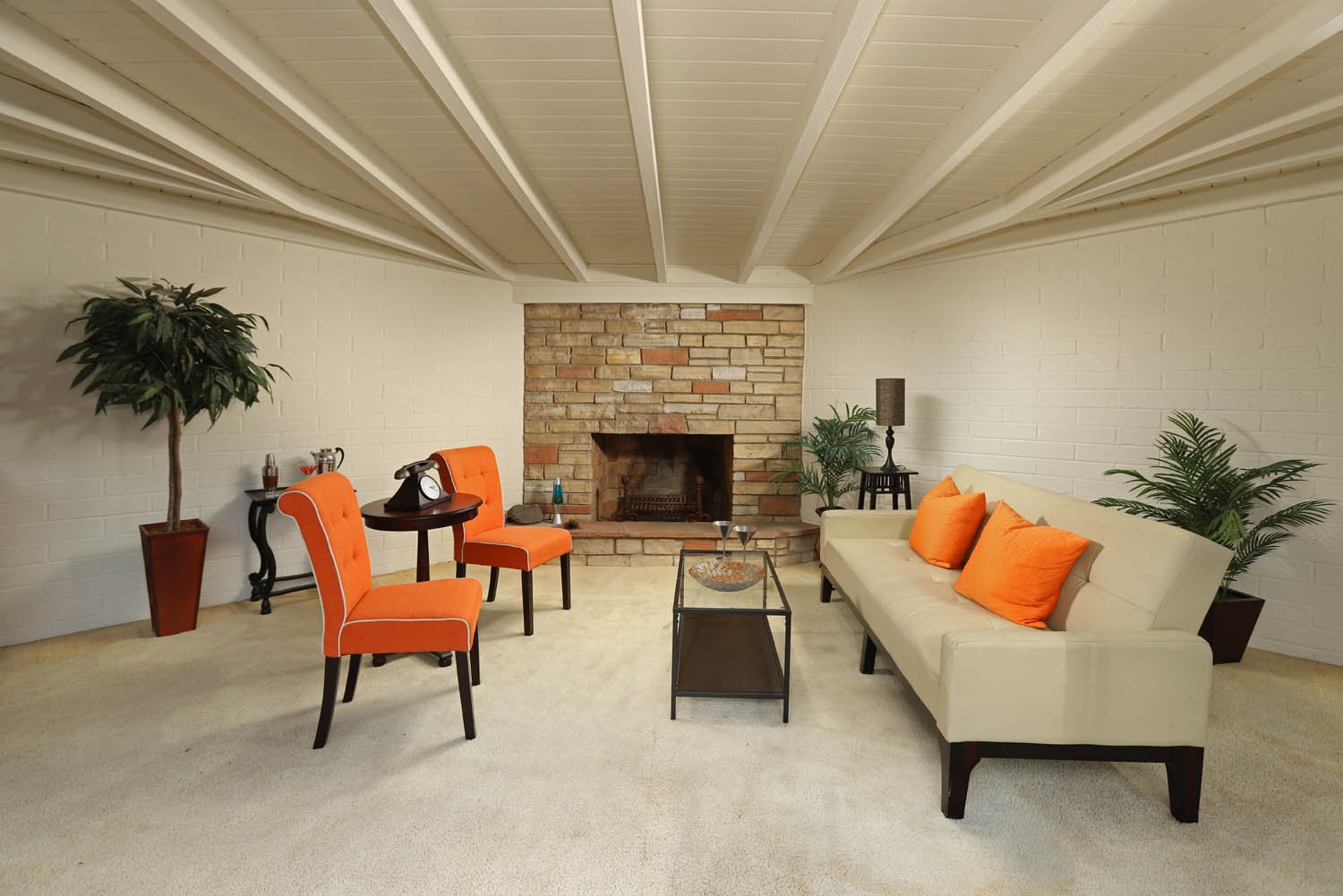
Staging Without Renovation
When the property itself is in good shape and the opportunity is simply to improve flow, scale, editing and buyer appeal.

Real properties · Real decisions · Real results
Every property calls for a different strategy. Some homes are ready for market with very little. Others benefit from editing, staging, targeted improvements or a more substantial refresh. My job is to recognize what buyers are likely to value, what is worth preserving, and where thoughtful preparation can strengthen the way a home is received by the market.
My approach
It’s about knowing what will matter. I look at the whole property before recommending what to change. Sometimes the right decision is an improvement. Sometimes it is preserving an original feature. And sometimes the best strategy is to leave an expensive system alone, disclose its condition and position the property accordingly.
Staging is part of that process when it helps buyers understand scale, flow and lifestyle. But staging is one tool — not the entire strategy.
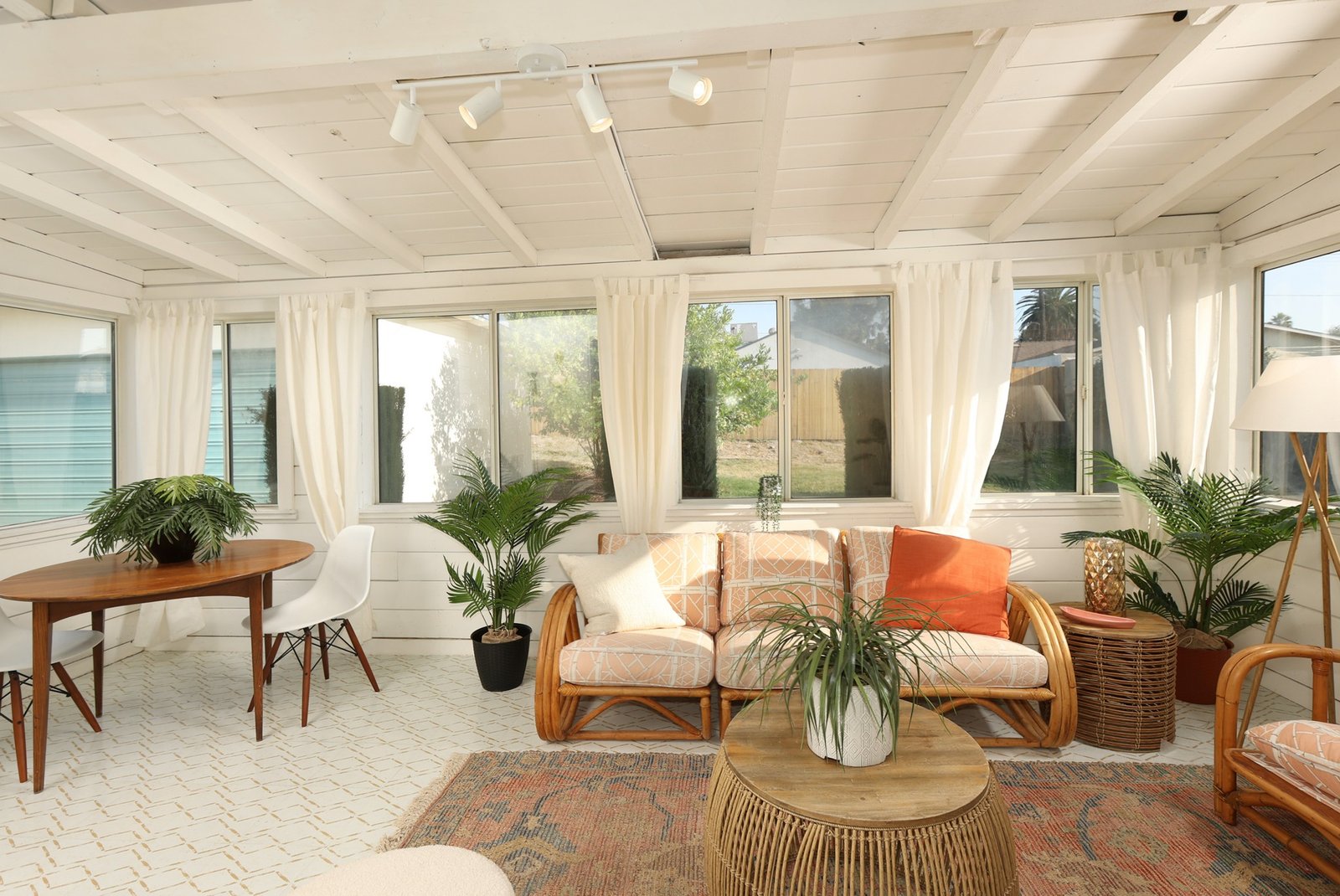
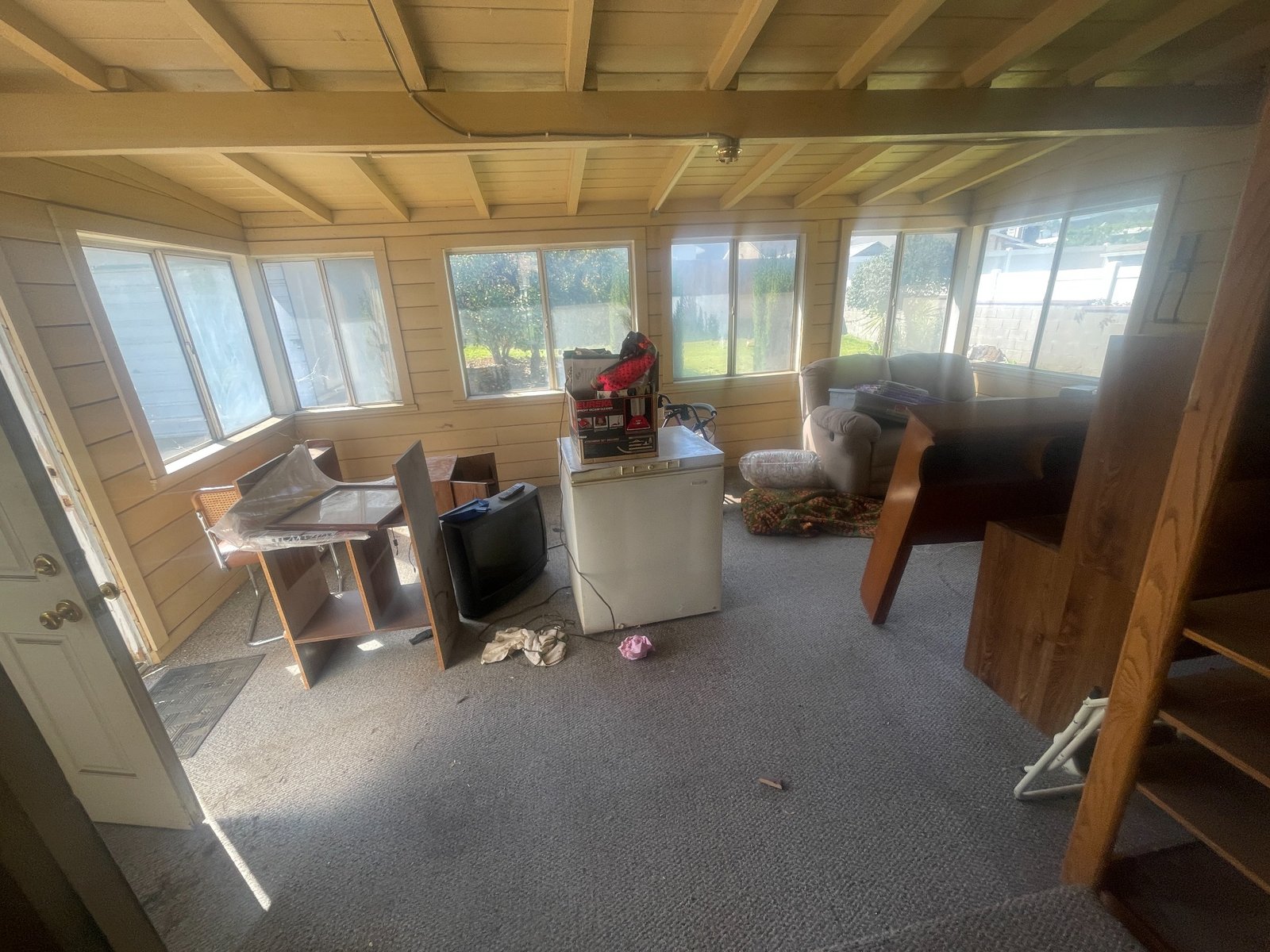
At first glance, the years of deferred maintenance were hard to miss: nicotine-stained walls, worn carpeting, aging systems and a home that had not been updated in decades. But underneath was a 1953 mid-century home with original hardwood floors, vintage tile, strong architectural lines, generous light and a sunroom that could become a true lifestyle feature. Mid-century homes have a devoted following in Southern California, and I believed the right buyers would respond to that character if we helped them see it.
The opportunity was not to turn the house into something new. It was to uncover the hidden gem that was already there.
What I saw
Years of cigarette smoke, stained carpeting and deferred maintenance could easily have defined the property. Instead, I looked for the features buyers in our foothill market would respond to — the mid-century architecture, the hardwood beneath the carpet, the original tile, natural light and the indoor-outdoor feel.
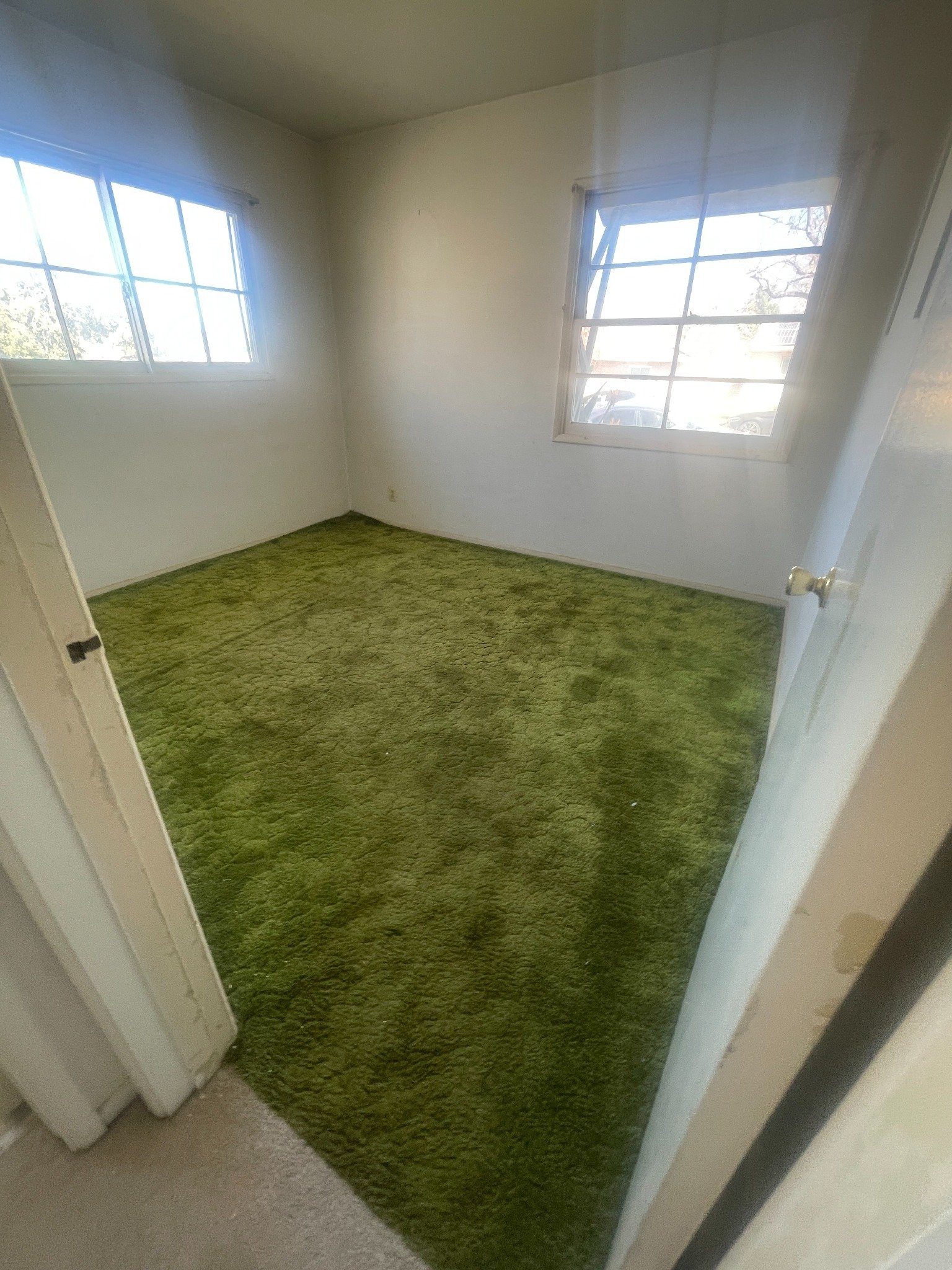
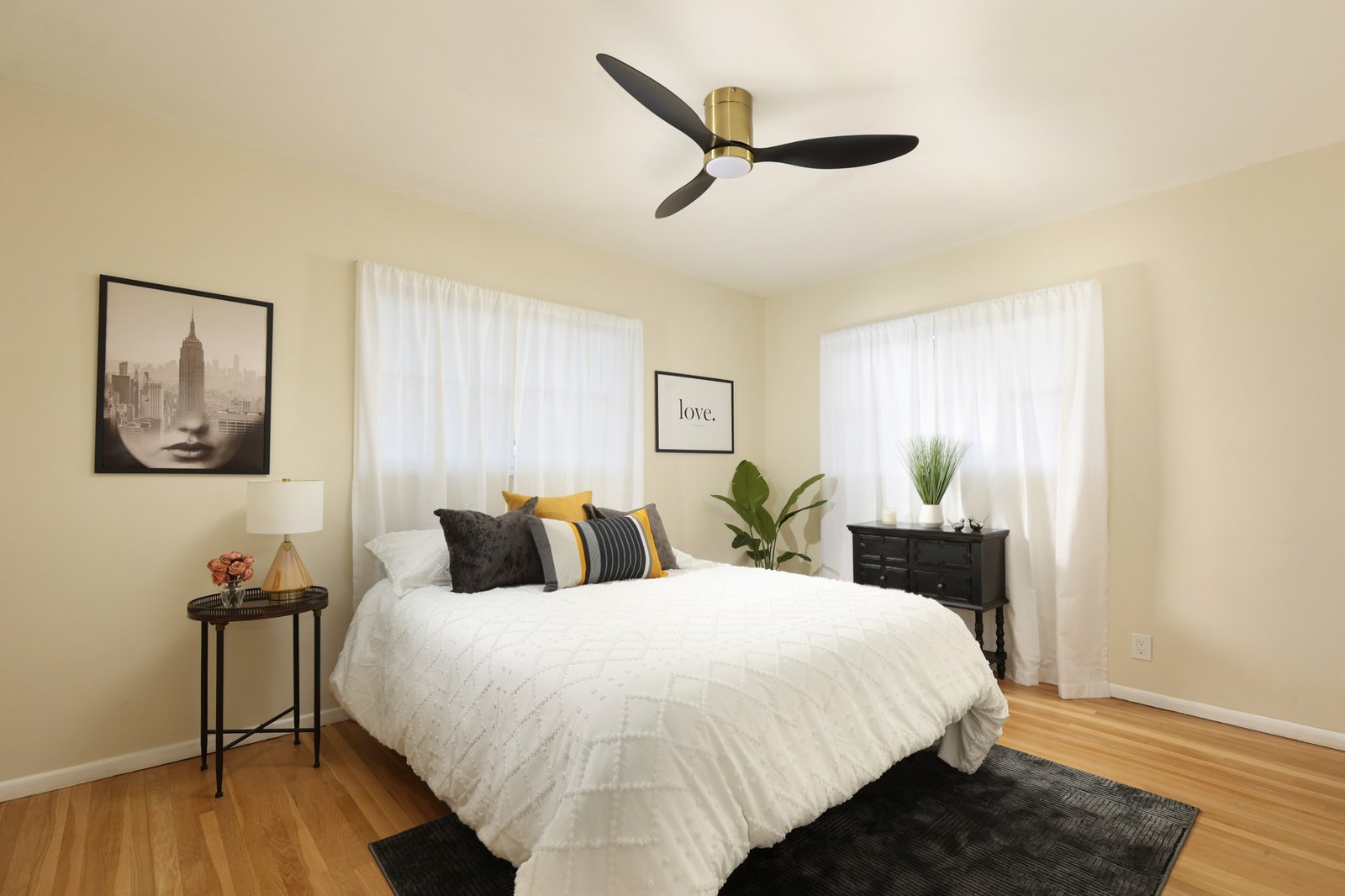
I pulled back a corner of the old sculpted shag carpet and found beautiful wood floors underneath. Refinishing them changed the feeling of the home immediately.
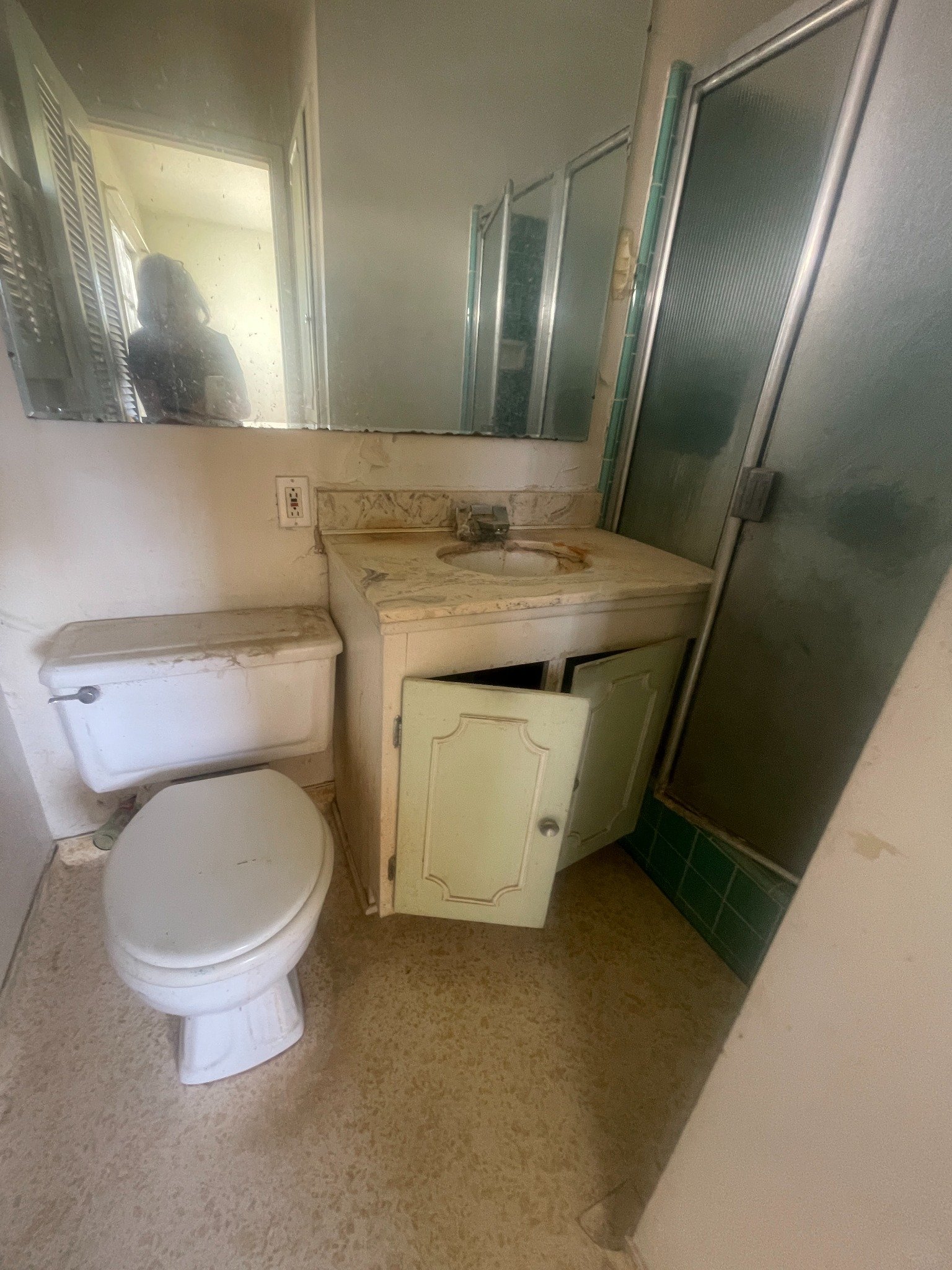
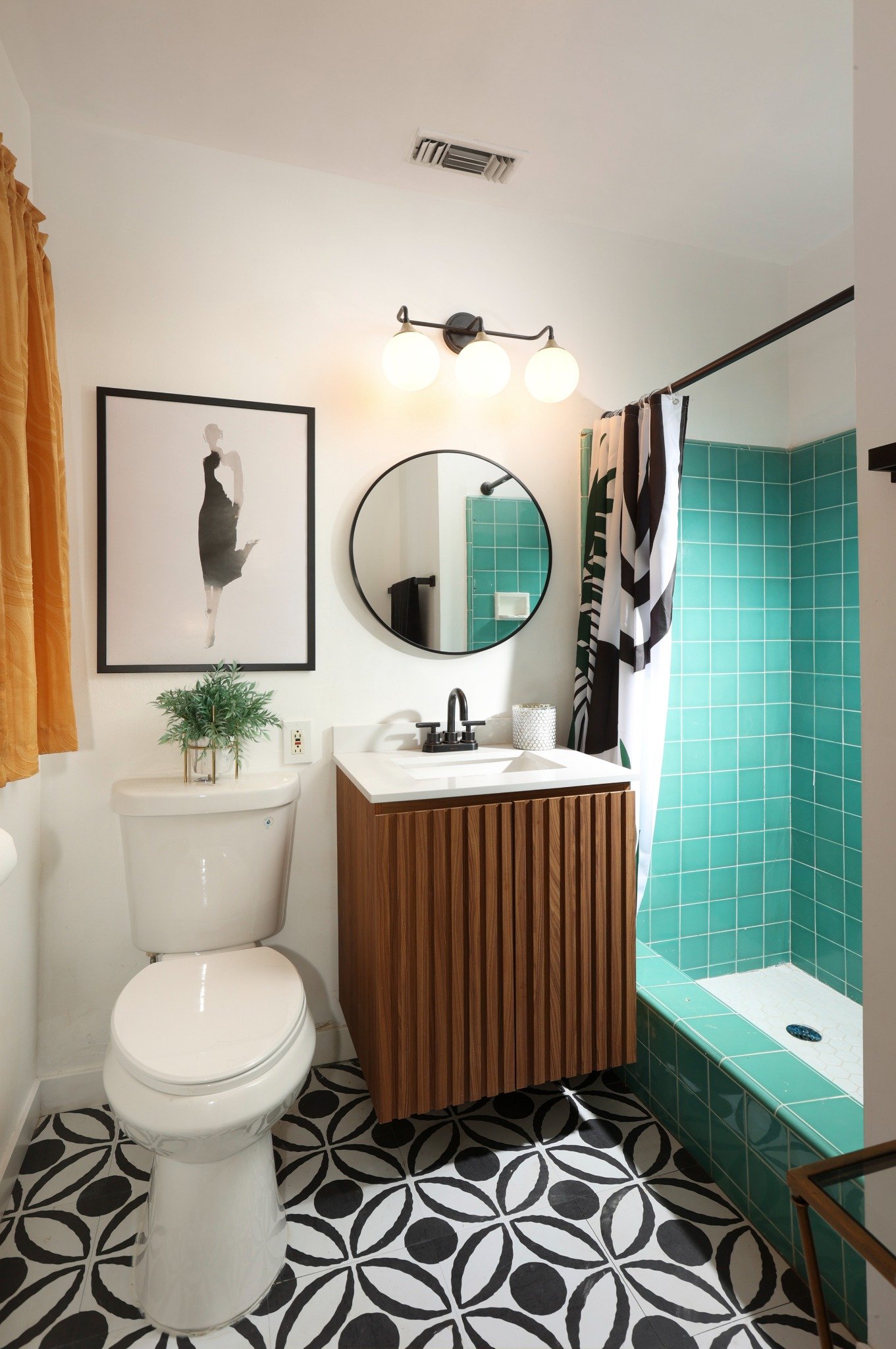
The teal ceramic shower tile was not automatically a problem because it was old. Its color and mid-century character were worth keeping.
Fresh paint, lighting, cleaning, targeted bathroom work and thoughtful styling helped buyers see the architecture rather than the deferred maintenance.
We did not replace the roof, windows, HVAC, electrical system or the remaining galvanized portions of the plumbing before sale.
 Before
 After
Preserve the character · Change the presentation
Estimates for a full bathroom remodel ranged from approximately $8,000–$12,000. Instead, we kept the original teal tile and focused on the elements that were hurting the presentation: the cracked framed shower door, worn vanity and mirror, toilet, flooring and finishing details. The transformation was striking without erasing the room’s mid-century identity.
 Before
Look underneath what is obvious
Before recommending new flooring, I pulled back a corner of the old green sculpted carpet. Underneath were the original hardwood floors. We refinished them, painted the walls, added inexpensive curtains, and finished the room with staging furniture and accessories.
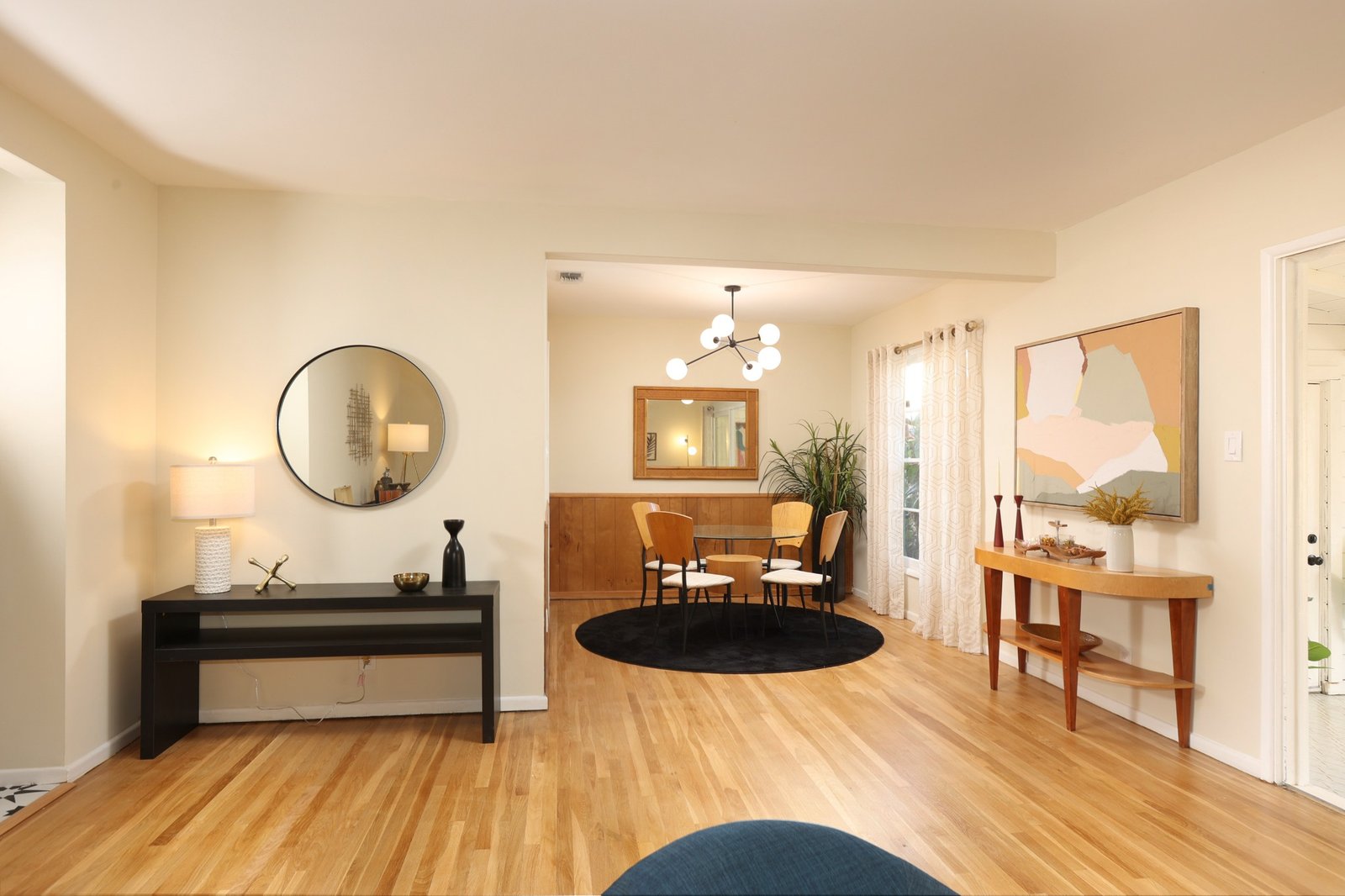
The room did not need to be reinvented. It needed the distractions removed so buyers could see the light, the proportions, the original floors and the character that had been there all along.
 After
Positioning + launch
The marketing did not lead with deferred maintenance. It led with what made the property distinctive: a mid-century home offered for the first time in decades, original architectural details, hardwood floors, vintage tile, mountain views and an expansive sunroom that brought the outdoors in.
We began with a Coming Soon campaign rather than waiting until the listing was fully live.
Personal invitations, local social-media promotion and outreach to mid-century home groups helped create targeted interest.
Staging, professional photography and the listing story emphasized the home’s architecture, sunroom, flow and foothill setting.
Strategy beyond presentation
The goal is not the fastest sale. It is the strongest overall outcome.
Because the home still had aging major systems, we ordered a pre-listing physical inspection and made that report available to prospective buyers before they submitted offers. That allowed buyers to evaluate known conditions before deciding what they were willing to offer.
It also gave the sellers a clearer strategy going into negotiations. The accepted offer came with a large down payment and no repair or credit requests despite the property’s disclosed condition.
Pre-listing inspections do not eliminate a buyer’s due-diligence rights or guarantee that requests will not arise. Used thoughtfully, however, they can reduce surprises and help everyone enter escrow with a clearer understanding of the property.
When the market spoke
My preference is generally to give a new listing enough time for buyers to see it, respond and compete. Owens was not intended to be rushed off the market. After the first open house, however, one offer stood out — well above asking, with a strong down payment and no repair or credit requests even though buyers had been given the pre-listing inspection.
At that point, the decision was not about speed. It was whether continued exposure was likely to produce a meaningfully stronger overall outcome than the one already in hand.
More strategy behind the sale
Future case studies will show different situations — homes that needed only staging and editing, relaunches, inherited properties, selective improvements, negotiation strategy and more.
When the property itself is in good shape and the opportunity is simply to improve flow, scale, editing and buyer appeal.
Examples where preserving original character or avoiding an unnecessary project protected time, money and marketability.
How preparation, disclosure, offer strength and negotiation can matter just as much as the number at the top of the contract.
Your home deserves its own strategy
The right plan starts with the house you actually have, the buyers most likely to value it and the outcome that matters to you.
Let’s Talk About What’s Next for YouCase-study results reflect one past transaction and are not a guarantee of future results. Market conditions, property condition, buyer demand and contract terms vary.